








Meta description: Discover why fencing and stand-alone cameras fail against organised intruders, and how layered Vesta and Optex security protects temporary sites.
A fence. A camera. A warning sign.
That’s not a security strategy. It’s a starting point.
Professional intruders do not attack randomly. They watch. They test. They identify blind spots, weak gates, unprotected access routes and systems that rely on a single point of failure.
Then they move quickly.
For installers and integrators, the message is simple: single-layer security is no longer enough. Your clients need a connected, adaptable defence that can detect, deter, verify and respond before a theft becomes a costly project delay.
Why fencing alone leaves your site exposed
Fencing and hoarding are essential. But they are not impenetrable.
A standard fence creates a physical boundary. It can delay an intruder. It can make a site look more secure. But it does not tell you when someone is approaching, climbing or cutting through it.
Organised criminals arrive prepared. They may bring cutting tools, ladders, vehicles and a clear understanding of what they want to take.
A fence alone gives you:
- 🚧 A visible barrier.
- ⏱️ A limited delay.
- ❌ No early warning.
- ❌ No visual verification.
- ❌ No automatic response.
That is a weak return from your first line of defence.
Construction sites are particularly vulnerable because their layouts change constantly. Temporary fencing moves. New access points appear. Scaffolding creates elevated routes into buildings. Materials and plant are often stored in open areas.
UK industry estimates put the cost of construction site theft and vandalism at more than £1 million every day. The price of doing the minimum is becoming difficult to justify.
Why stand-alone cameras are not enough
CCTV is valuable. But cameras are not magic.
A stand-alone camera may record an intruder. It may even provide useful evidence after the event. What it often does not do is stop someone entering in the first place.
Professional intruders understand camera positioning. They look for:
- Blind spots between cameras.
- Areas hidden by plant, hoarding or scaffolding.
- Systems with no active monitoring.
- Cameras dependent on vulnerable mains power or cabling.
- Sites where nobody is available to respond overnight.
A camera that simply records a crime is an expensive witness.
The stronger approach is to combine cameras with dedicated detection, physical deterrents, professional monitoring services and a clearly defined response process.
That is where the onion approach comes in.
Build a multi-layered security onion
Think of your site security as an onion. Each layer adds another obstacle, another opportunity to identify a threat and another reason for an intruder to leave.
The objective is not to rely on one perfect device.
It is to ensure that if one layer is bypassed, the next one is already working.
Layer one: Deter with visibility and delay
The first layer should make your site look difficult, noisy and time-consuming to attack.
This includes:
- Secure fencing, gates and hoarding.
- High-visibility warning signage.
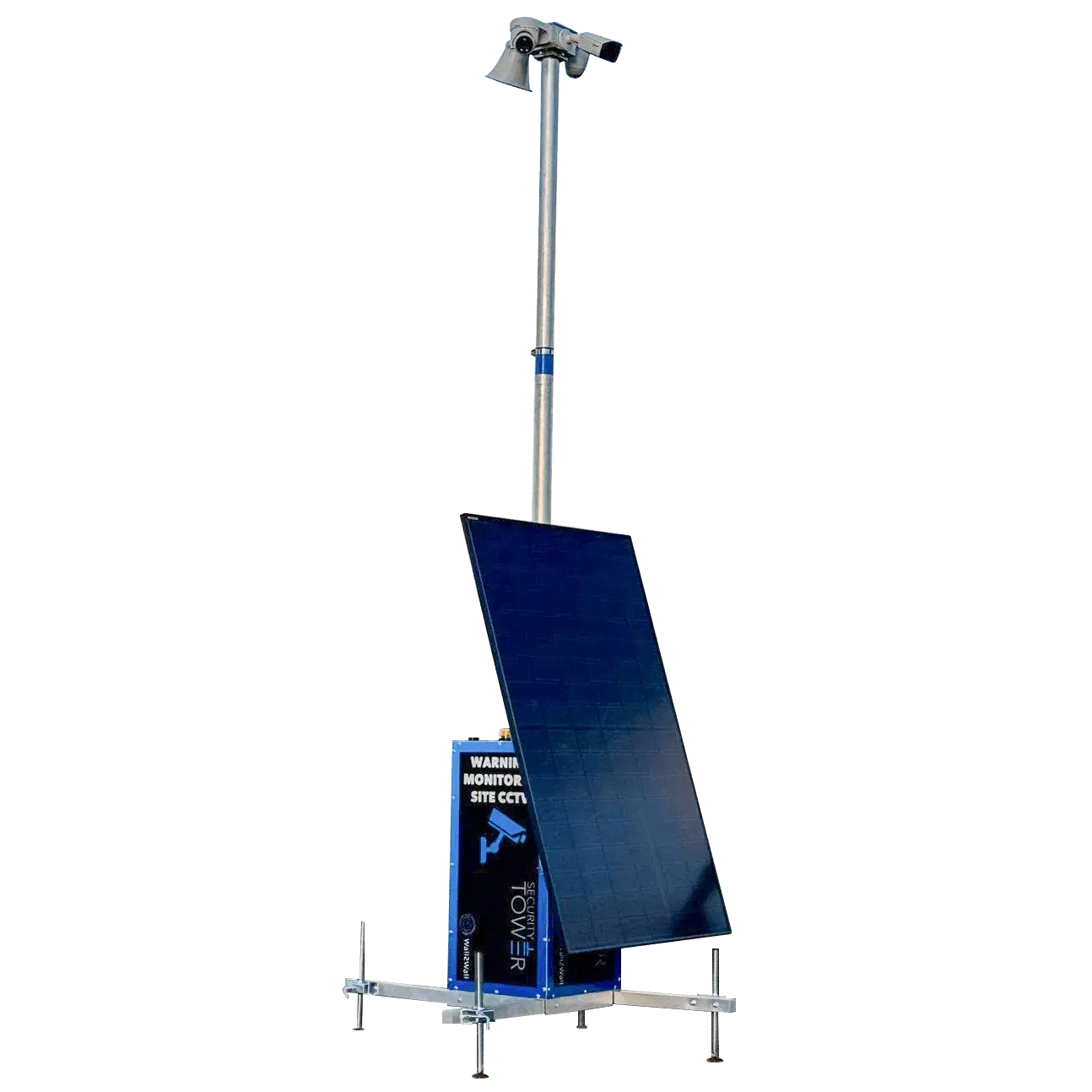
- Construction site security towers with cameras and audio deterrence.
- Vesta outdoor sirens.
- Solar-powered equipment that remains visible after dark.
A security tower provides a strong visual warning before an intruder reaches the perimeter. If an alert is confirmed, remote audio intervention can challenge suspicious activity and draw attention to the site.
Deterrence matters because professional criminals are looking for efficiency. If your site appears harder than the one next door, they may move on.

Layer two: Detect at the perimeter
Do not wait for an intruder to reach a building entrance.
Use wireless perimeter detection to identify movement at the boundary, around vulnerable approaches and beneath scaffolding.
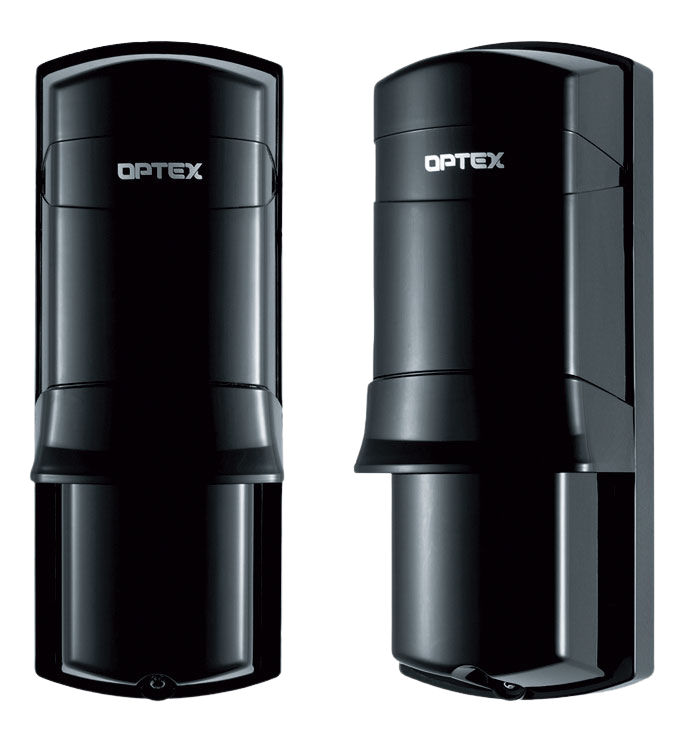
Optex wireless beams are ideal for long approach routes and open areas. The AX-200TFR 60m outdoor wireless IR beam can protect extended access lines, while the BXS-R (W) wireless outdoor curtain detector is suited to narrower zones such as scaffold edges, windows and building frontage.
This gives your installation several practical advantages:
- 📡 No long cable runs across changing sites.
- ⚡ Faster installation than traditional hardwired systems.
- 🔄 Sensors can be repositioned as the site develops.
- 🌧️ Outdoor-rated detection for demanding UK conditions.
- 🛡️ Early warning before an intruder reaches valuable assets.
For scaffolding security systems, this ground-to-scaffold transition is critical. Protect the base, climbing points and exposed access routes rather than concentrating only on doors and windows.
Layer three: Verify the threat
Detection without verification can create uncertainty and false alarm fatigue.
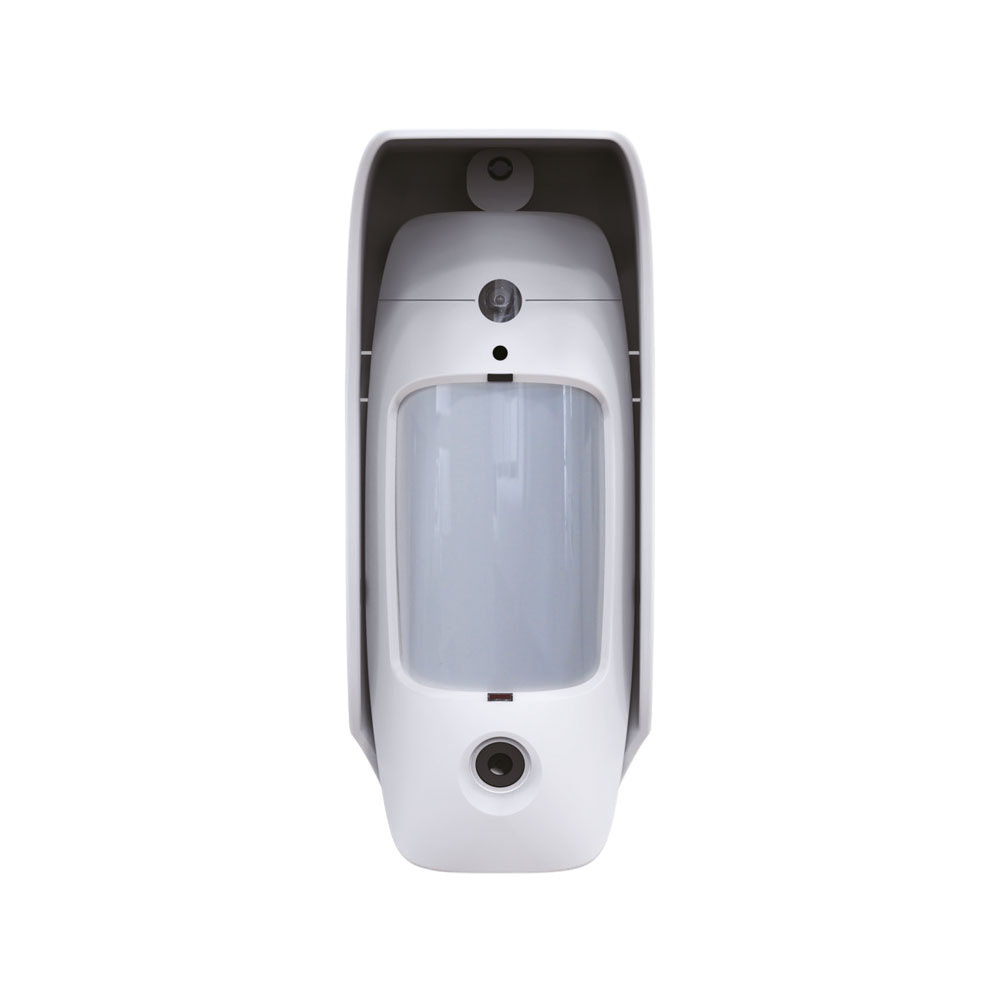
That is why the VESTA-460 PIRCAM is such a powerful part of a rapid deployment security solution. It combines outdoor PIR detection with an HD camera, allowing the event to be assessed rather than guessed at.
The VESTA-460 provides:
- 📸 A 10-metre PIR detection range.
- 👁️ A 90-degree detection angle.
- 🎥 A 106-degree camera field of view.
- 🌙 Infrared illumination up to 10 metres.
- 🛡️ IP65 outdoor protection.
- 🔋 Up to six years of battery life under standard conditions.
Pair the PIRCAM with a Vesta bullet camera where broader visual coverage is required. The Vesta control hub receives events from the connected devices, while the SmartHomeSec app gives authorised users fast access to alerts and images.
This is the difference between “something triggered” and “we can see what triggered it.”
Layer four: Respond immediately
An alarm that nobody handles is only half a solution.
Your final layer should connect the system to professional monitoring services or an alarm receiving centre. When a perimeter detector, PIRCAM or alarm device activates, trained operators can assess the event and follow the agreed escalation process.
That may include:
- Contacting nominated keyholders.
- Using verified images to prioritise the incident.
- Activating audio deterrence.
- Escalating to emergency services where appropriate.
- Maintaining an auditable record of events.
The Vesta control hub, wireless sensors, cameras and sirens work together to create a coordinated response rather than a collection of disconnected devices.


Why Vesta and Optex are the installer’s advantage
Traditional systems can be slow to install, difficult to move and dependent on infrastructure that may not exist yet.
Vesta and Optex provide a more practical route to temporary site security:
- 🚀 Rapid deployment: Secure the site in minutes, not days.
- 🔋 Battery-powered alarm systems: Protect void properties and early-stage builds without relying on mains power.
- 📶 Wireless site alarms: Reduce cabling, disruption and installation time.
- 🏗️ Flexible coverage: Move devices as construction phases change.
- 🔧 Installer-friendly integration: Build a tailored system around the site’s actual risk profile.
For void property alarm systems, the same principles apply. A vacant building can lose power, change ownership or remain unoccupied for months. Wireless, battery-powered equipment with professional monitoring keeps protection active without waiting for a permanent installation.
You can also add Loxal asset trackers to protect mobile plant, generators and high-value tools if they leave the site unexpectedly.
For insurance-led projects, review our guide to void property insurance requirements. For scaffold-specific risks, see our scaffolding security guide.
Secure every layer with Wall2Wall Security
Wall2Wall Security has more than 30 years of industry experience helping professional installers and integrators protect construction sites, scaffolding projects and vacant properties.
We understand the pressure: changing layouts, tight deadlines, limited power and clients who need results immediately.
That is why we focus on flexible, wireless and rapidly deployable technology that works behind the scenes and in the real world.
A fence can delay an intruder.
A camera can record one.
But multi-layered security can detect, deter, verify and respond before the loss becomes inevitable.
Ready to level up your perimeter security? Contact Wall2Wall Security to discuss your next rapid deployment project.